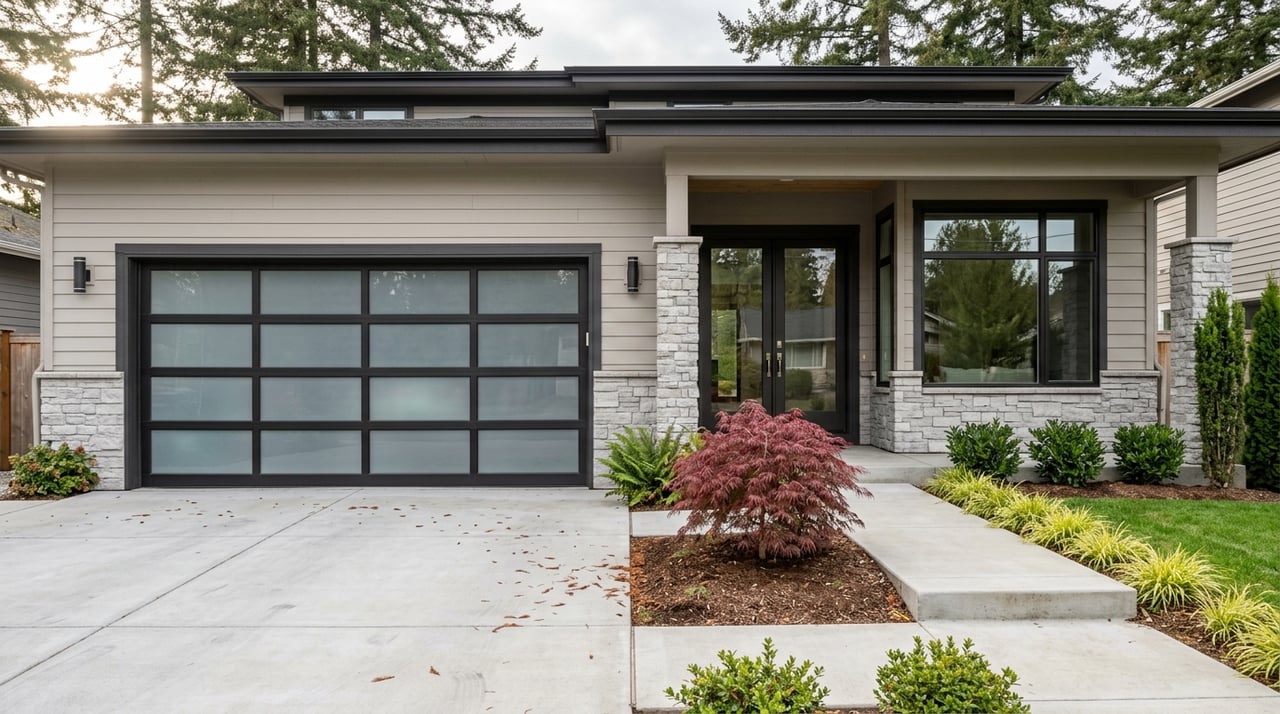
Education Hill vs Downtown Redmond: Which Lifestyle Fits?
July 9, 2026
July 9, 2026
Trying to choose between Education Hill and Downtown Redmond? You are not alone. Both areas put you in one of the Eastside’s most in-demand cities, but they deliver very different day-to-day experiences. If you are weighing lifestyle, housing style, outdoor access, and convenience, this guide will help you see which fit feels more like home. Let’s dive in.
Education Hill offers a more established residential feel. The City of Redmond describes it as one of the city’s largest residential neighborhoods, shaped by hillside topography, large trees, and a strong neighborhood identity.
If you picture quieter residential streets, local parks, and a more traditional neighborhood pattern, this area often aligns with that vision. Education Hill also borders Downtown on its southern end, which means you can stay close to shopping and services without living in the middle of the urban core.
Downtown Redmond is the city’s urban center and a regional growth center. City planning documents describe it as a live-work-play district that blends historic downtown, Redmond Town Center, and an evolving retail, civic, and housing district.
In practical terms, Downtown gives you the most concentrated mix of homes, shops, dining, offices, and public spaces in Redmond. If you want energy, convenience, and a stronger urban rhythm, Downtown usually stands out right away.
Education Hill still leans toward established detached-home streets. City materials describe the central part of the neighborhood as predominantly low- to moderate-density and single-family in character, while also noting a mix of single-family urban and multifamily urban areas, plus newer housing choices like cottages and multiplex homes.
That means you may find a broader sense of traditional neighborhood housing here, along with some infill and newer formats. For many buyers, Education Hill feels more rooted in established homes than in large-scale mixed-use development.
Downtown Redmond is the denser option. The city says substantial multifamily and mixed-use housing has been built in and around Downtown, and zoning near the light rail station allows taller development with incentives.
For you as a buyer, that often translates into condos, apartments, and newer mixed-use buildings being a more visible part of the housing landscape. If low-maintenance living or newer urban-style housing is high on your list, Downtown may feel like the more natural fit.
Education Hill tends to support a more neighborhood-residential routine. Residents often associate the area with walkability, schools, churches, neighborliness, and parks, according to the city’s neighborhood overview.
The atmosphere is less about constant street activity and more about daily comfort. If your ideal week includes neighborhood walks, time outdoors, and a residential setting with Downtown nearby when needed, Education Hill checks many of those boxes.
Downtown Redmond is built around convenience and activity. The center plan points to grocery stores, restaurants, cafes, small shops, offices, gyms, veterinary services, dentist offices, and more within the district.
That kind of setup can make everyday life feel streamlined. If you want to be close to errands, meals out, community events, and transit without relying as much on a car, Downtown offers the strongest version of that lifestyle in Redmond.
Redmond as a whole offers an impressive outdoor network, with 47 parks covering 1,351 acres and 59 miles of public trails. Both Education Hill and Downtown benefit from that broader system, but the outdoor experience feels different in each area.
Education Hill’s signature park is Hartman Park. It includes ball fields, courts, a playground, restrooms, picnic areas, trails, and open space.
The neighborhood also connects to the 3-mile Education Hill Loop Trail, which uses Hartman Park Trails, Abbey Road Nature Trail, and the Puget Powerline Trail. There is also a separate Education Hill School Tour Loop. If you want outdoor space that feels more embedded in a residential neighborhood, Education Hill has a strong case.
Downtown’s outdoor scene feels more urban and social. Downtown Park is described by the city as Redmond’s urban park and includes event space, buskers, a splash pad, and picnic space.
The Downtown Park Tour Loop runs through five parks, which adds variety and walkable access to green space. If you like the idea of public gathering places, events, and a more active street-and-park mix, Downtown may suit your style better.
Downtown Redmond has the strongest no-car option. Downtown Redmond Station opened on May 10, 2025, and offers light rail service along with bus connections.
The nearby Redmond Transit Center also concentrates multiple bus routes in the downtown core. The city’s center plan emphasizes walking, buses, and light rail as core parts of mobility in Downtown, which makes this area especially appealing if commute flexibility matters to you.
Education Hill has transit access too, but the experience is more residential and distributed. King County Metro Route 222 serves Education Hill and Downtown Redmond Station, and RedLink’s free on-demand service includes Education Hill, Downtown Redmond, and Southeast Redmond.
For many buyers, that means Education Hill can still work well if you want connections to transit and Downtown amenities without living in the middle of the city center. The tradeoff is that it generally feels less transit-rich and less urban than Downtown itself.
| If you want... | Education Hill | Downtown Redmond |
|---|---|---|
| A more established residential setting | Yes | Less so |
| More detached-home character | Yes | Less common |
| Newer mixed-use or multifamily living | Some options | Stronger fit |
| Mature trees and neighborhood feel | Strong fit | More urban feel |
| Easy access to parks and local trails | Strong fit | Yes, with urban parks |
| Strong walkability for daily errands | Moderate | Strong fit |
| Best transit access in Redmond | Limited compared with Downtown | Strong fit |
| Quick access to dining and services | Nearby | Immediate |
The best choice comes down to how you want your daily life to feel, not just what type of property you want to buy. A home can be a great match on paper and still miss the mark if the neighborhood rhythm does not fit your routine.
Education Hill is often a better fit if you want an established residential setting, more detached-home territory, mature trees, and strong park access with Downtown close by. Downtown Redmond is often a better fit if you want newer multifamily or mixed-use housing, stronger walkability and transit, and immediate access to dining, shopping, and civic amenities.
If you are buying in Redmond, this is where local guidance matters. The right choice is not about which neighborhood is better overall. It is about which one supports the way you want to live now and over the next several years.
Whether you are comparing condos, townhome-style options, or detached homes, a neighborhood-level strategy can help you narrow the field faster and buy with more confidence. If you want tailored guidance on Redmond housing options and lifestyle fit, Sipos Homes LLC can help you evaluate the right move with local insight and a concierge-level approach.
Stay up to date on the latest real estate trends.
Etiam non quam lacus suspendisse faucibus interdum. Orci ac auctor augue mauris augue neque. Bibendum at varius vel pharetra. Viverra orci sagittis eu volutpat.
AMANDA SIPOS
800 5th Ave Suite 101-800 Seattle WA 98104