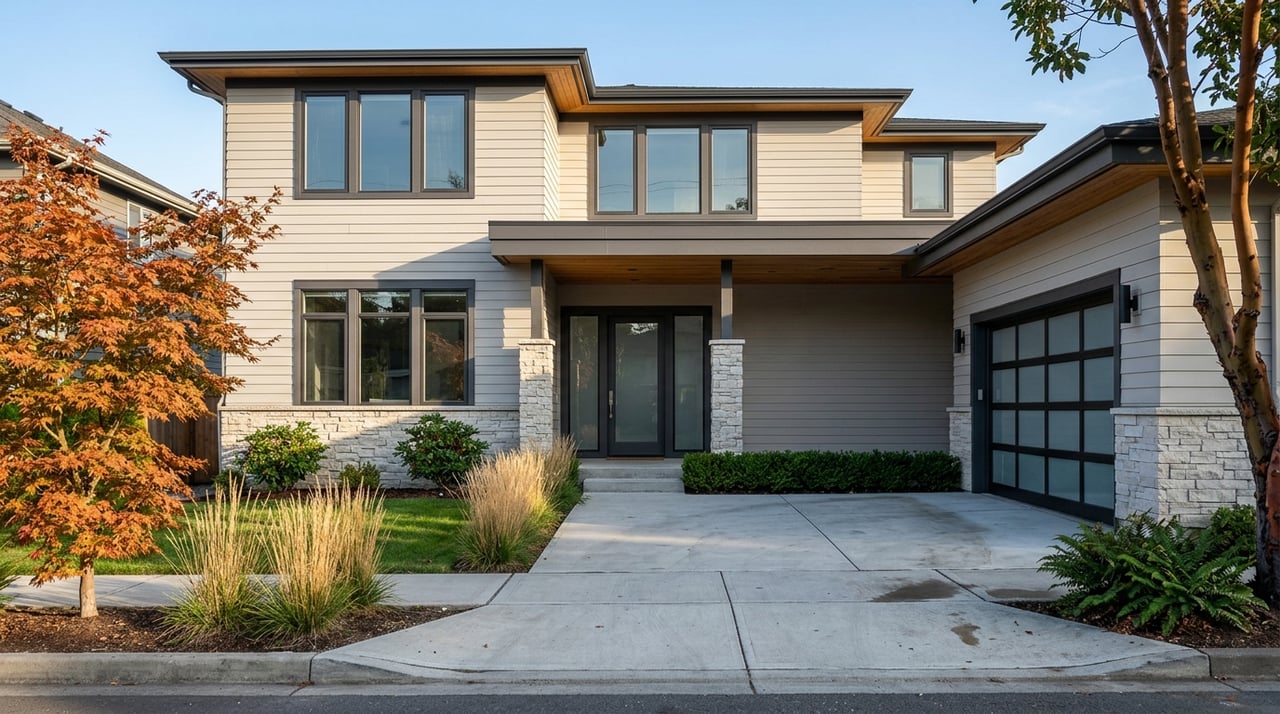
Kirkland Waterfront vs Downtown Living Guide
July 2, 2026
July 2, 2026
Choosing between Kirkland’s waterfront pockets and its urban core is not just about scenery. It is really about how you want your day to feel once you live there. If you are trying to decide between walkable downtown energy and a quieter lake-oriented routine, this guide will help you compare the micro-neighborhoods that shape daily life in Kirkland. Let’s dive in.
Kirkland’s planning framework gives you a helpful starting point. The city identifies Greater Downtown Kirkland and Totem Lake as its two urban centers, with Greater Downtown described as a walkable, compact, pedestrian- and transit-oriented area suited to future growth.
For most buyers comparing lifestyle, the more useful distinction is between the urban core and the shoreline neighborhoods. In simple terms, you are often choosing between a denser mixed-use environment with strong walkability and lakefront areas where parks, shoreline access, and lower-intensity residential patterns shape everyday routines.
If you want the most car-light lifestyle in Kirkland, Downtown and Moss Bay are usually the clearest fit. City planning documents describe Greater Downtown as a pedestrian precinct with an extensive network of pedestrian pathways, mixed-use commercial areas, and medium- to high-density housing.
That means your routine can center on walking from home to coffee, errands, dining, the waterfront, or transit. Instead of planning every trip around your car, you may find yourself parking once and doing the rest on foot.
Downtown Kirkland runs more like an active town center than a typical suburban area. The city manages parking with paid and time-restricted options, plus a real-time availability system, which suggests a more structured parking environment than many nearby residential neighborhoods.
For you, that can be a plus or a tradeoff depending on your priorities. If you value convenience on foot and like an active streetscape, the setup may feel efficient. If you prefer easy, low-effort parking right outside your door, it may feel more managed than you want.
Marina Park is one of downtown’s biggest advantages. The city describes it as a downtown waterfront park near restaurants and shops, with a sandy beach, boat launch, public art, an open-air pavilion, summer concerts, and views across Lake Washington toward Seattle.
That mix is unusual because it gives you both urban energy and direct waterfront access in the same setting. If you want to step out for dinner, spend time by the lake, and stay close to civic and commercial activity, Downtown and Moss Bay deliver that blend.
The urban-core feel is reinforced by transportation connections. The Cross Kirkland Corridor runs 5.75 miles through the heart of Kirkland, and the city notes that downtown also has concentrated short-term bicycle parking and the Kirkland Transit Center.
If your ideal neighborhood includes walking, biking, and easier access to transit, these pieces matter. They help make Downtown and Moss Bay feel connected, active, and practical for people who want more mobility options.
Kirkland’s waterfront micro-neighborhoods tend to offer a slower, more residential pattern. You still get access to the lake and parks, but the experience usually feels less dense and less compressed than the downtown core.
That is the main appeal for many buyers. You can stay close to shoreline amenities without living in the middle of the city’s most walkable and actively managed district.
Lakeview is one of Kirkland’s clearest shoreline-residential areas. The city describes it as having waterfront town charm, a mix of residential areas, offices, neighborhood-oriented businesses, Carillon Point, and the Yarrow Bay Business District, with policies that prioritize residential uses and public access to the water.
The neighborhood planning language also emphasizes low- to medium-intensity infill, wide sidewalks, landscaping, benches, art, decorative lighting, and pedestrian and bicycle links to the Cross Kirkland Corridor. For you, that can translate into a lifestyle that feels scenic and connected without taking on the full density of downtown.
Lakeview often works well if you want shoreline character with a calmer street pattern. You may still have nearby businesses and good connections, but the neighborhood identity leans more residential and waterfront-oriented.
Houghton Beach Park helps define that experience. The city identifies it as a waterfront community park with a playground, picnic areas, sand volleyball, a seasonal swimming area, and a small parking lot.
Central Houghton is even more residential in character. According to the neighborhood plan, it is predominantly a single-family neighborhood, with apartments and condominiums concentrated near the northern edge around the Houghton-Everest center.
The plan also highlights the Cross Kirkland Corridor as a key route for walking, biking, and rolling, along with the neighborhood’s parks, tree canopy, and views. If you want water-adjacent living with a lower-intensity residential feel, Central Houghton deserves a close look.
Juanita offers a different kind of waterfront lifestyle. The neighborhood plan describes Juanita as having two neighborhood commercial centers, mostly low-density residential areas, and higher-intensity housing around those centers.
Those commercial areas are intended to function as pedestrian-oriented mixed-use hubs for daily retail and service needs. That means Juanita can feel practical and routine-friendly, especially if you want everyday conveniences nearby without moving into the denser downtown core.
Juanita Beach Park is one of the neighborhood’s defining features. The city says the park includes a playground, bathhouse, sand volleyball, ballfields, tennis courts, a walking path, picnic shelters, and a seasonal swimming area along 1,000 feet of Lake Washington shoreline.
The park also hosts the Juanita Friday Market in summer. For many buyers, that points to a lifestyle built around outdoor time, casual neighborhood errands, and regular use of public open space.
Kirkland has three guarded swimming beaches citywide: Houghton Beach, Waverly Beach, and Juanita Beach. That detail reinforces how important lake access is in these shoreline neighborhoods, and Juanita stands out because the beach and park amenities are such a central part of daily life there.
If you picture weekends at the park, easy shoreline access, and neighborhood-serving commercial pockets, Juanita is often one of the strongest waterfront options to compare.
Market is useful if you want a middle ground. It sits between downtown and waterfront recreation, and its neighborhood plan points to a mix of old and new housing stock, plus growing numbers of ADUs, cottage-style homes, duplexes, and triplexes.
The Market Street corridor also includes retail, commercial, office, multifamily residential, and mixed uses. That gives the neighborhood a hybrid feel, with more housing variety and more corridor-style convenience than some shoreline areas.
Market has a grid street system and access points to shoreline-oriented parks such as Waverly Beach Park and Heritage Park. The neighborhood plan also identifies Juanita Bay Park, Kiwanis Park, Waverly Beach Park, Heritage Park, and Lake Avenue West Street End Park as important public open spaces.
For you, that can mean a lifestyle that balances residential streets, shoreline recreation, and access to downtown-adjacent amenities. If downtown feels too dense but a purely residential waterfront pocket feels too quiet, Market may be worth short-listing.
When buyers compare Kirkland micro-neighborhoods, they are usually weighing routine more than raw geography. The right fit depends on whether you want your home base to support walking, shoreline recreation, quieter residential surroundings, or a blend of all three.
Here is a simple way to think about the tradeoffs:
| Area type | Best fit for | Typical feel |
|---|---|---|
| Downtown and Moss Bay | Buyers who want walkability, transit access, and mixed-use energy | Compact, active, pedestrian-oriented |
| Lakeview and Central Houghton | Buyers who want shoreline access and a more residential setting | Scenic, calmer, lower-intensity |
| Juanita | Buyers who want beach routines, parks, and neighborhood-serving commercial centers | Outdoor-focused, practical, neighborhood-oriented |
| Market | Buyers who want a bridge between downtown convenience and waterfront access | Mixed, flexible, transitional |
One practical difference often gets overlooked until you live with it: parking. In downtown Kirkland, parking is actively managed with time limits, paid options, and customer-focused turnover.
In the shoreline residential pockets, day-to-day parking patterns tend to feel less compressed. That does not mean every block works the same way, but it does suggest a different rhythm if you prefer a quieter residential setup.
If you are still deciding, start by thinking about how you want to spend an average weekday and an average weekend. Your ideal neighborhood is often the one that supports your real routine, not just the one that looks best on a map.
Ask yourself a few simple questions:
Those answers can quickly point you toward the right pocket of Kirkland.
If you want help comparing homes across Downtown, Moss Bay, Lakeview, Central Houghton, Juanita, or Market, working with a hyper-local advisor can make the process much clearer. A neighborhood-level strategy can help you balance lifestyle fit, property type, and long-term resale potential with more confidence.
When you are ready to explore Kirkland with a more tailored plan, Sipos Homes LLC can help you narrow the options and move with confidence.
Stay up to date on the latest real estate trends.
Etiam non quam lacus suspendisse faucibus interdum. Orci ac auctor augue mauris augue neque. Bibendum at varius vel pharetra. Viverra orci sagittis eu volutpat.
AMANDA SIPOS
800 5th Ave Suite 101-800 Seattle WA 98104