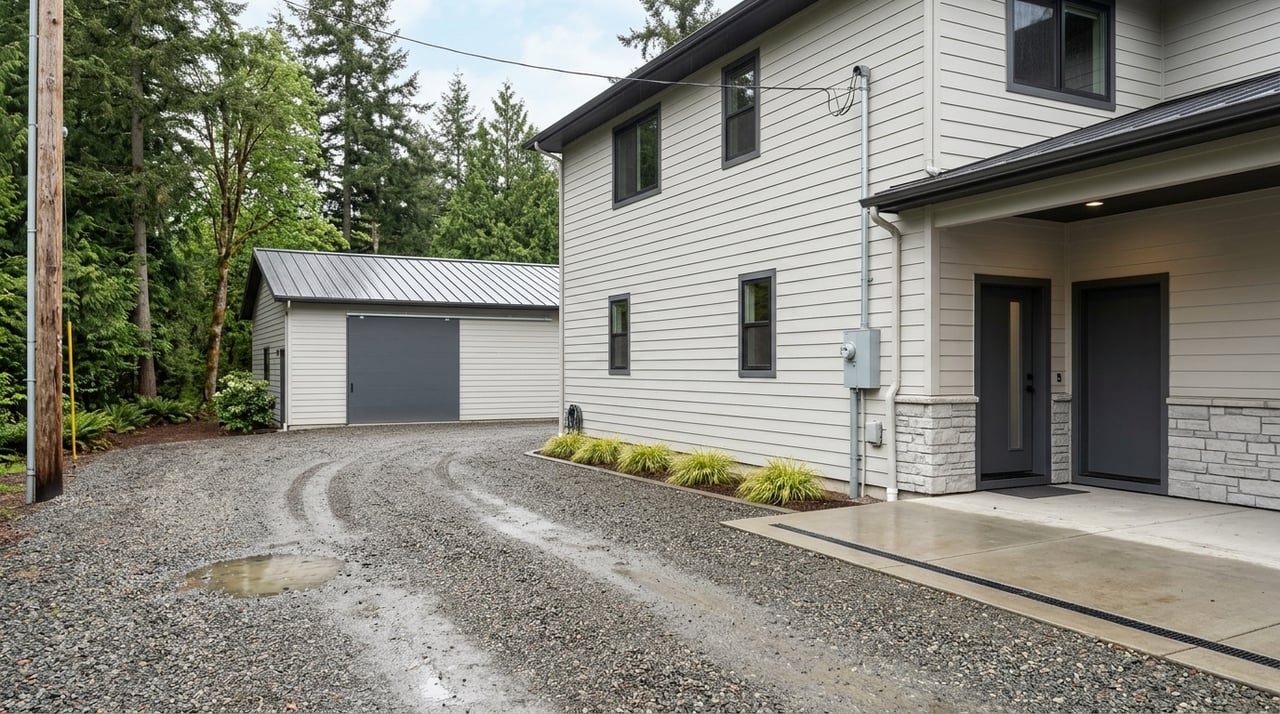
Buying Acreage in Snohomish: What to Review First
May 28, 2026
May 28, 2026
If you are dreaming about more land in Snohomish, it is easy to focus on the views, privacy, and room to spread out. What often matters just as much, though, is what you cannot see at first glance: legal access, water, septic, permit history, and the long-term upkeep that comes with rural property. When you understand those pieces early, you can make a smarter decision and avoid expensive surprises later. Let’s dive in.
Buying acreage in Snohomish is not always the same as buying a typical in-town home. A larger parcel may come with private infrastructure, recorded easements, outbuildings, and site conditions that affect how you use the property now and in the future.
That is why due diligence matters so much. Snohomish County records and health records can help you verify how a property is accessed, how water and wastewater are handled, and whether existing improvements match the paper trail.
Before you get too far into the process, confirm the property’s basic record set and jurisdiction. In unincorporated Snohomish County, Planning and Development Services keeps current and historical land-development files, while the Recording Division keeps official property records like deeds, surveys, liens, and plats.
The Assessor also maintains parcel maps and property sales data. Together, these records can help you understand what exists on the land, what has been approved, and what may need more review.
Just as important, confirm whether the property is in unincorporated county area or inside city limits. Snohomish County notes that some guidance pages apply only to unincorporated areas, so you do not want to assume county rules apply if the parcel is actually within an incorporated city.
On acreage, access is a gating issue. Snohomish County requires legal access before building permits can be issued, and that can shape whether your future plans are realistic.
If the property connects from a county road, a new connection requires legal access. If it uses a private road, there should be a recorded easement shown on the site plan. If access is from a state highway, the county says a letter from WSDOT is needed.
This matters even if you are not planning to build right away. If you may want to add a driveway, improve the site, or add utility service later, access history and right-of-way requirements can affect timing, cost, and feasibility.
For many Snohomish acreage properties, utilities are one of the biggest decision points. A parcel served by public water or sewer is handled differently than one relying on a private well and on-site septic system.
Snohomish County requires a supplier availability letter when public water or sewer serves the property. For rural properties, the county requires an approved well and an on-site septic system approved by the county health department for a residence or any building with plumbing.
If you are looking at vacant land or a property where systems may need replacement, it is smart to contact the health department early. County guidance says buyers should reach out first when considering a new or replacement well or septic system so permitting steps are clear and contamination issues are avoided.
A private well can work well for acreage living, but it also means more owner responsibility. Snohomish County Health Department says there is no state or local well inspection requirement tied to a real estate transaction for an existing well, though a lender may still require inspection or water sampling.
Washington Department of Health recommends testing private well water every year for coliform bacteria and nitrate, and at least twice during ownership for arsenic. Snohomish County materials also recommend, at minimum, testing for coliform bacteria, nitrate, and arsenic.
You can also review available well information before closing. Well reports may show location, ownership, construction details, and other useful history, which can help you understand the system you may be taking on.
Acreage buyers should give septic records the same attention they give the house itself. Septic records, as-builts, and service history can help you confirm system location, condition, and whether the property has the documentation you may need later.
Snohomish County has also announced a new septic transfer rule effective November 1, 2026. Under that rule, sellers will need a full septic inspection completed within the past 12 months, pumping if recommended, an as-built record drawing on file, and a Report of Property Transfer reviewed by the Health Department. The county also says the seller must provide the reviewed report and maintenance records to the buyer at closing.
For ongoing ownership, the county advises septic owners to inspect regularly, pump when recommended, keep lids secure, know where the system is located, direct water away from the drainfield, and avoid building or parking heavy equipment over the drainfield.
One of the most common acreage issues is finding improvements on the property that do not fully match county records. That might include a barn, shop, shed, garage conversion, deck, or other site improvement.
Snohomish County says most residential structures require a building permit and site development plan. The county’s residential permit list includes common acreage improvements such as garages, storage buildings, pole buildings, fences, decks, covered porches, and pools.
Some small detached non-habitable structures may be exempt, but exemption does not override setbacks or other county rules. County guidance gives examples of exempt structures up to 400 square feet in rural zones and up to 200 square feet in urban zones, depending on location and height limits.
Acreage often appeals because it gives you room to add a shop, clear more land, extend a driveway, or create additional outdoor living space. In practice, those projects may require more review than buyers expect.
Snohomish County says project size and location can trigger drainage, land-disturbing activity, forest-practice, flood-hazard, shoreline, critical-area, and legal-lot-status review. The county specifically points to road length, slope, impervious surface, and tree removal as common triggers.
For many residential projects, permit checklists include a building application, structural plan, site plan, drainage plan, and water and sewer approval. So even if a parcel feels wide open, the practical path forward depends on what the county records and site conditions show.
Acreage living can be rewarding, but it comes with hands-on responsibility. Wells and septic systems need attention over time, and long driveways or private roads can add maintenance questions that buyers should understand before closing.
Snohomish County advises well owners to keep fertilizers, pesticides, and livestock at least 100 feet from the well. That kind of routine care can help protect water quality over the long term.
The county also advises owners to protect the septic drainfield by keeping heavy equipment, livestock, patios, sheds, driveways, and deep-rooted plantings off or away from it. You also want the system to remain accessible for inspections and pumping.
If the property has a long driveway or private road, public records such as deeds, surveys, road histories, and aerial photos can help you understand access history and possible maintenance questions. That is especially useful if you want a clearer picture of how the property functions beyond the house itself.
If you want a simple way to think about acreage due diligence, start with the basics in the right order. Snohomish County guidance points buyers toward a clear sequence that can save time and reduce risk.
That sequence helps you focus on the issues most likely to affect value, usability, and closing confidence. It also gives you a stronger foundation for inspections, negotiation, and planning.
A beautiful Snohomish acreage property can absolutely be the right move, but the best purchases are usually the ones where the practical details have been fully checked. Access, utilities, permit history, and maintenance expectations all shape how enjoyable and workable the property will be once it is yours.
When you go in with a clear process, you can look beyond the surface and evaluate the property like a confident buyer. That means fewer surprises, better questions, and a purchase that fits both your lifestyle and your long-term plans.
If you are considering acreage in Snohomish and want a polished, strategy-first buying experience, Sipos Homes LLC can help you evaluate the details that matter and move forward with confidence.
Stay up to date on the latest real estate trends.
Etiam non quam lacus suspendisse faucibus interdum. Orci ac auctor augue mauris augue neque. Bibendum at varius vel pharetra. Viverra orci sagittis eu volutpat.
AMANDA SIPOS
800 5th Ave Suite 101-800 Seattle WA 98104