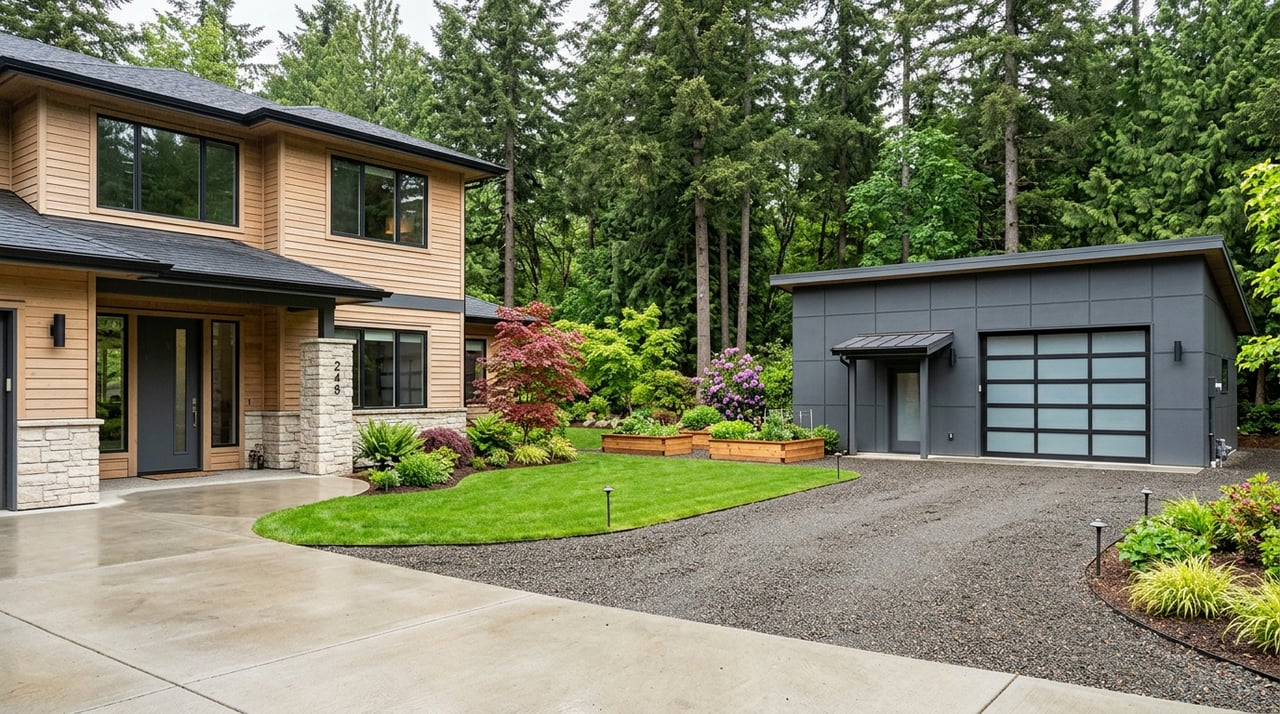
How to Sell a Snohomish Home With Land Successfully
June 4, 2026
June 4, 2026
Wondering why some Snohomish properties spark fast interest while others sit longer than expected? In today’s market, buyers have more choices, and that means your home needs to do more than look tidy. If you are planning to sell, the right preparation can help buyers quickly understand the value of your house, land, outbuildings, and overall setup. Let’s dive in.
Snohomish County is still an active market, but it is more competitive than it was a year ago. NWMLS reported that active listings in Snohomish County were up 58% year over year in April 2026. At the same time, months of inventory for residential-only homes was 2.77, which still points to a market that is not fully balanced.
That creates an important opportunity for sellers. Well-prepared homes can still perform strongly, especially when buyers can understand the property quickly. In the city of Snohomish, Redfin reported a median sale price of $749,588 over the prior three months, about 7 days on market, and about 2 offers on average.
For many Snohomish properties, especially rural or semi-rural ones, buyers are not evaluating just the house. They are also looking at the land, access, outbuildings, usable space, and how clearly everything is explained in the listing. When inventory rises, confusion costs attention.
That is why standout presentation needs to be both visual and practical. Your goal is to help buyers see what they are getting on day one and what questions have already been answered before they even schedule a showing.
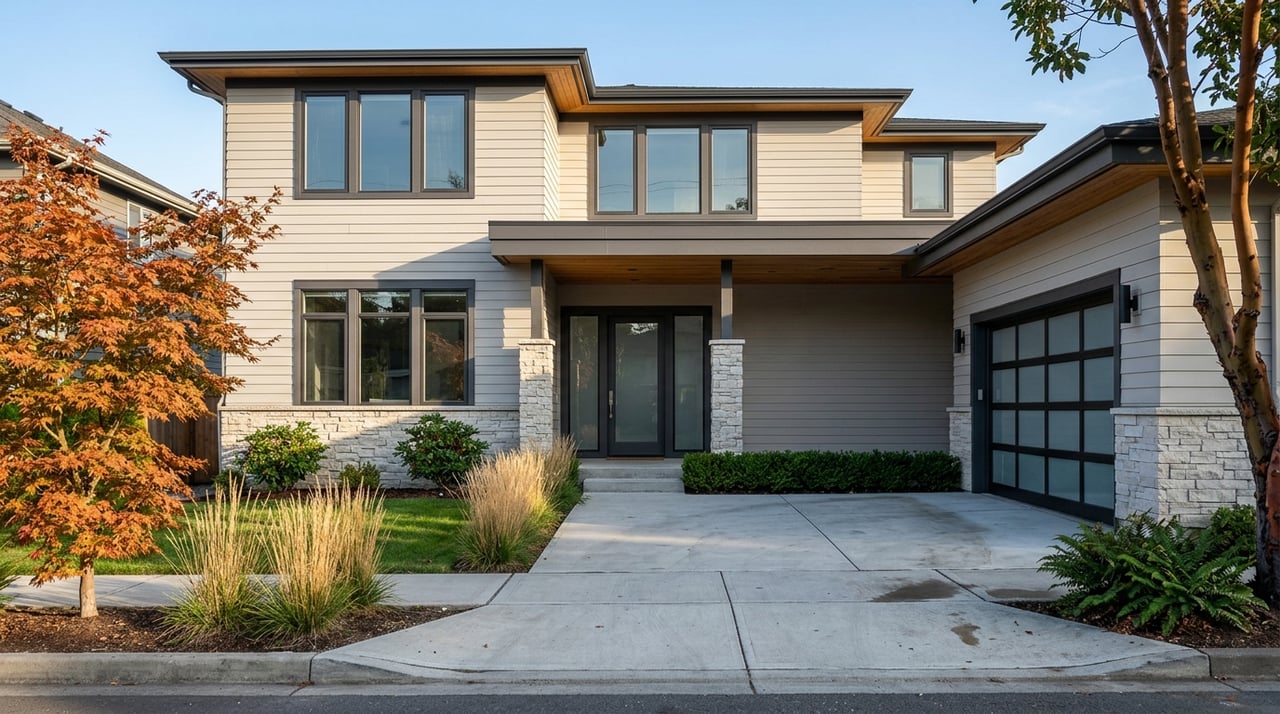
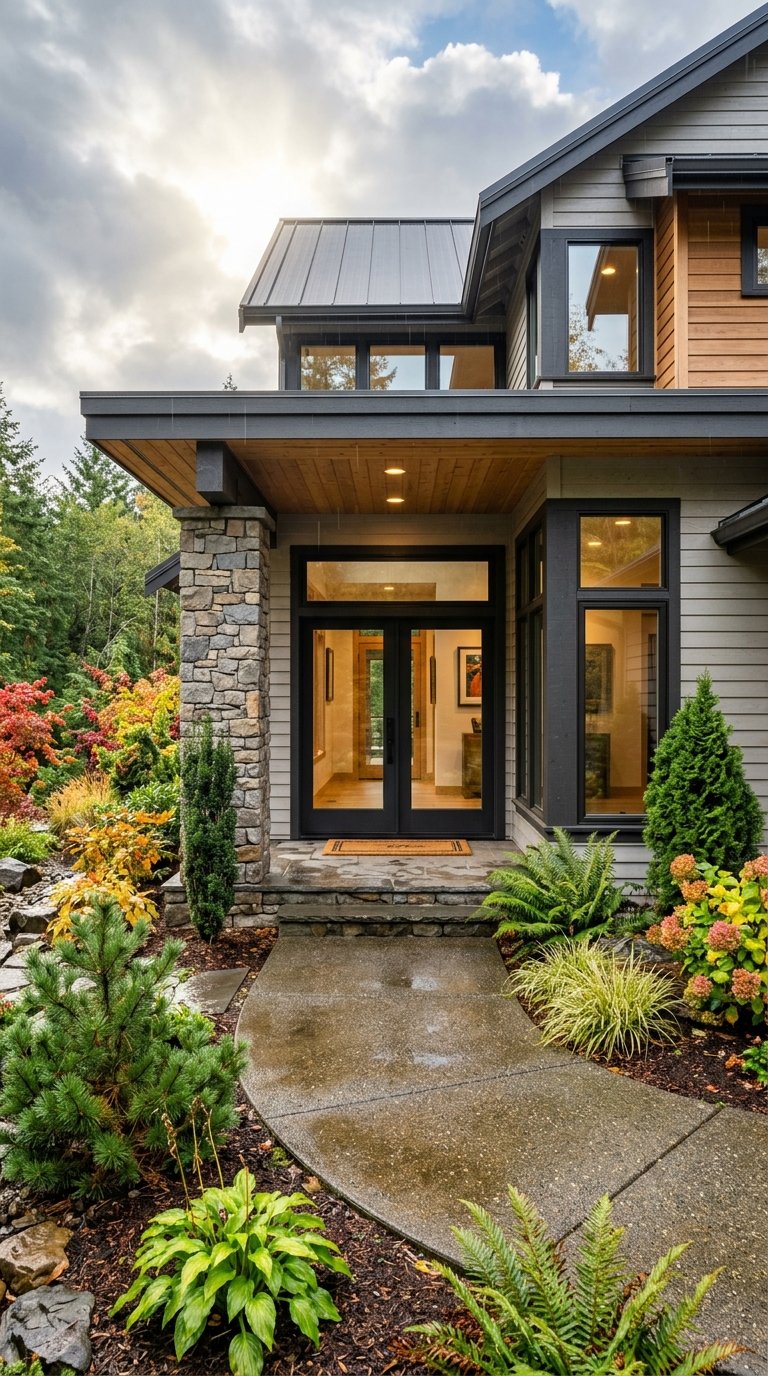
First impressions begin before a buyer walks through the front door. On acreage or semi-rural property, the road frontage, driveway entry, fencing, and visible land condition often shape how buyers feel about the entire listing.
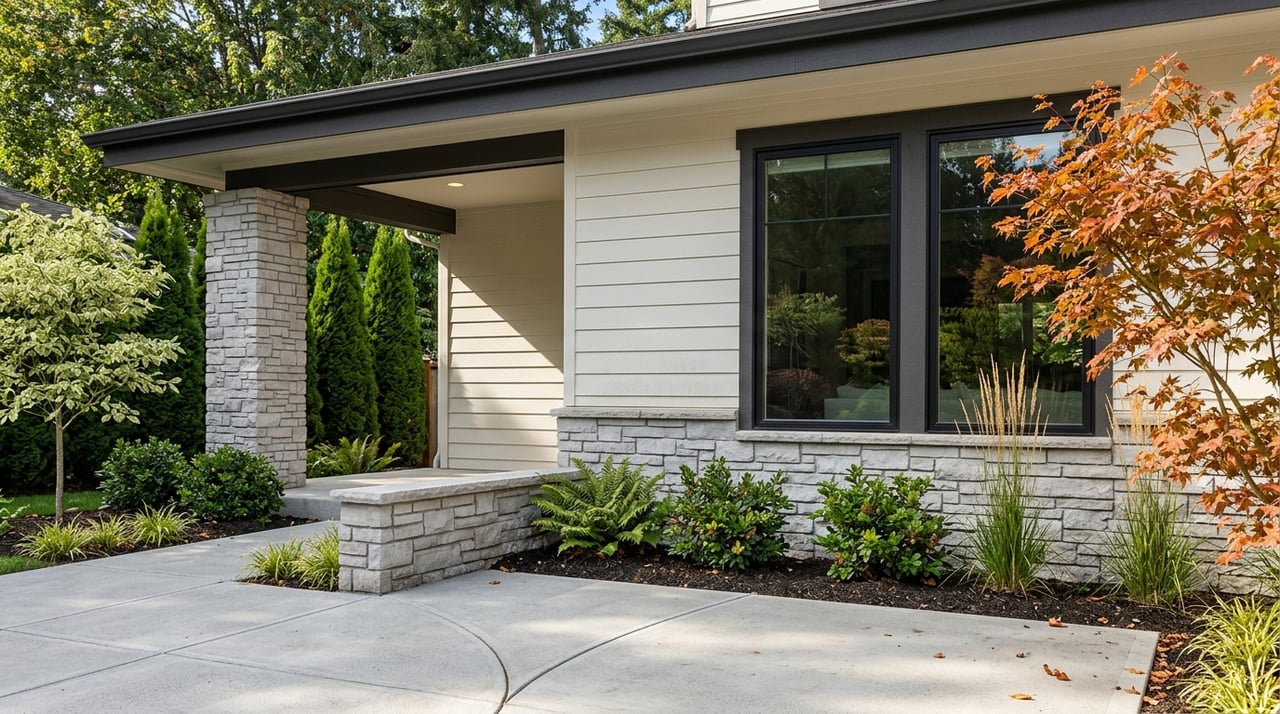
Snohomish County’s Natural Yard Care guidance supports practical yard prep like mulch, compost, site-appropriate planting, smart watering, and natural weed control. In simple terms, buyers respond better when the property looks maintained and easy to understand. Mowing, edging, clearing debris, defining planting beds, and cleaning up paths can make the site feel more usable right away.
There is a difference between smart cleanup and major clearing. Snohomish County says clearing or removing vegetation in NGPA or CAPA critical areas is generally prohibited without a permit. The county also notes that non-hazard tree clearing in a critical area or clearing of 7,000 or more square feet requires a Land Disturbing Activity permit.
If your property is near shoreline, wetlands, or flood-prone areas, additional review may apply. Before doing significant brush removal, grading, or tree work, verify what is allowed. A cleaner property helps, but compliance matters just as much.
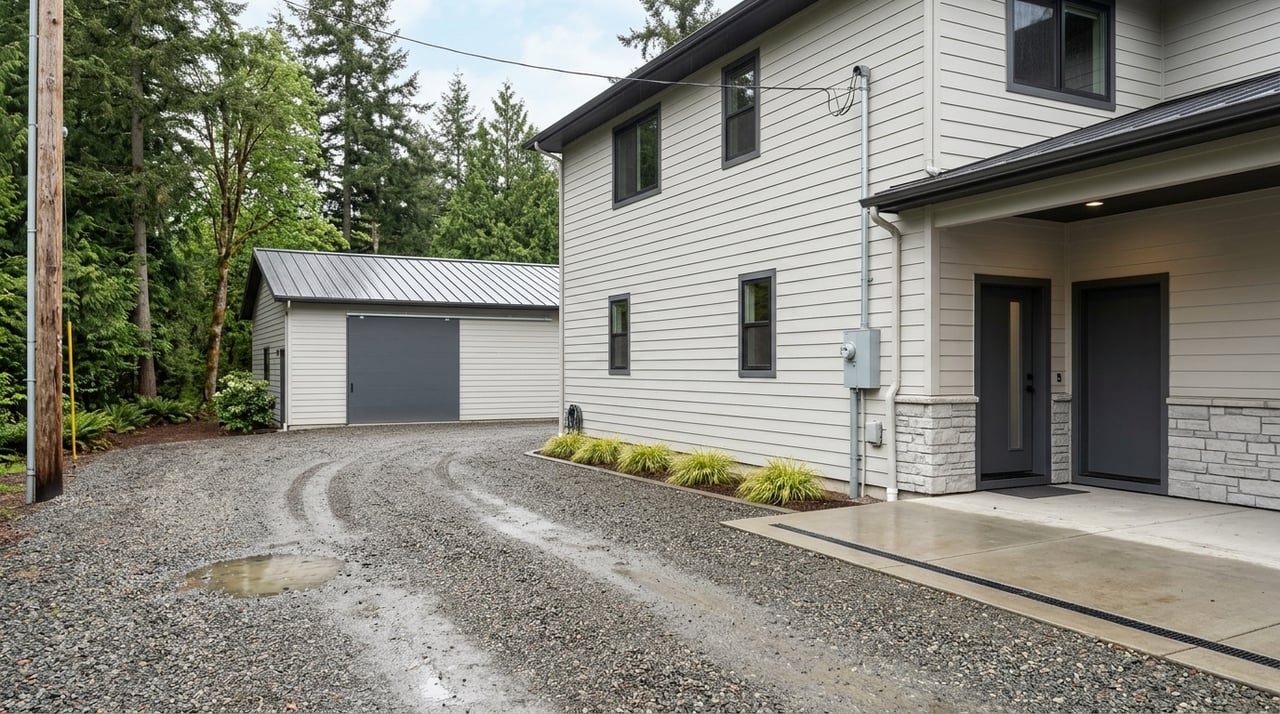
Barns, shops, sheds, and fenced areas can be major selling points in Snohomish. They can also raise immediate buyer questions. If the listing does not answer those questions, buyers may hesitate or assume extra risk.
In unincorporated Snohomish County, an unconditioned one-story shed or storage-type building under 200 square feet is generally permit-exempt, and rural properties outside urban growth areas may use the same criteria up to 400 square feet. The county also says an agricultural storage shed under 400 square feet used for storage only does not require a building permit, though flood-hazard review can still apply.
If your property includes a shop, barn, detached structure, or fenced area, gather records before you list. Buyers often want to know the structure’s square footage, use, permit history, and any related approvals.
Fence rules matter too. Snohomish County says a fence 8 feet or less may not require a building permit if it is not in a flood hazard area or critical area or buffer. Fences over 6 feet can trigger setback rules, and fences over 8 feet require engineered design.
Access is easy to overlook until a buyer asks about it. On properties with private driveways, shared roads, or unusual site layouts, you should be ready to explain how access works.
Snohomish County says legal access is required for a new connection from a county road, and building permits require legal access before issuance. If access, a private driveway, or recorded easements affect the value of your property, have those documents ready as part of your listing packet.
Some Snohomish properties have appeal because of water, open land, or natural surroundings. Those same features can also come with limitations that buyers want to understand upfront.
Snohomish County says properties near large waterways, associated wetlands, or floodplains may fall under shoreline regulations. Some agricultural activities in shoreline jurisdiction can still require review if they involve significant grading or filling. If your site is near a river, lake, wetland, or flood-prone area, your marketing should clearly explain usable space and any known constraints.
For many Snohomish sellers, septic documentation is one of the most important parts of pre-listing prep. Washington DOH says gravity septic systems should be inspected at least once every three years, while other system types are typically inspected at least once every year. DOH also says pumping is typically needed every three to five years, depending on use and system size.
That matters because buyers want confidence in how the property functions. They also want to know where the tank, drainfield, and replacement area are located. On acreage, this is especially important because parking, livestock, garden beds, and outbuildings can conflict with septic areas if the site layout is not clear.
Snohomish County Health Department says the county will require septic systems to be inspected before a sale starting November 1, 2026, and inspections may be completed up to one year before closing. The state rule revision also sets a statewide property-transfer inspection requirement effective February 1, 2027.
Even if your sale is earlier, getting organized now can make your listing stronger. Septic as-builts, inspection history, and pumping records help reduce uncertainty and show that you have maintained the property responsibly.
If your home is served by a private well, buyers will likely ask about water quality. Washington DOH recommends annual testing for coliform bacteria and nitrate, and Washington Ecology says private well owners are responsible for testing their own water.
Ecology also notes that in most counties, when a home with a private well is sold, the county health or planning department or the lender may require water-sampling results to show the water is safe to drink. A current well test can support buyer confidence and help your listing feel more complete.
A standout Snohomish sale often depends on how much clarity you can provide before the first showing. A strong listing packet helps buyers understand the property as a whole, not just room by room.
Consider gathering these records before launch:
Snohomish County Health says as-built records can be searched online, and DOH notes that keeping system records helps the next owner as well as the seller. From a marketing standpoint, this kind of preparation can make your property feel easier to evaluate.
Most buyers start online, so your visual strategy matters. NAR’s 2025 Home Buyers and Sellers report found that 51% of buyers found the home they purchased on the internet. Among internet-using buyers, 83% rated photos as very useful, 79% said detailed property information was very useful, 57% said floor plans were very useful, and 41% said virtual tours were very useful.
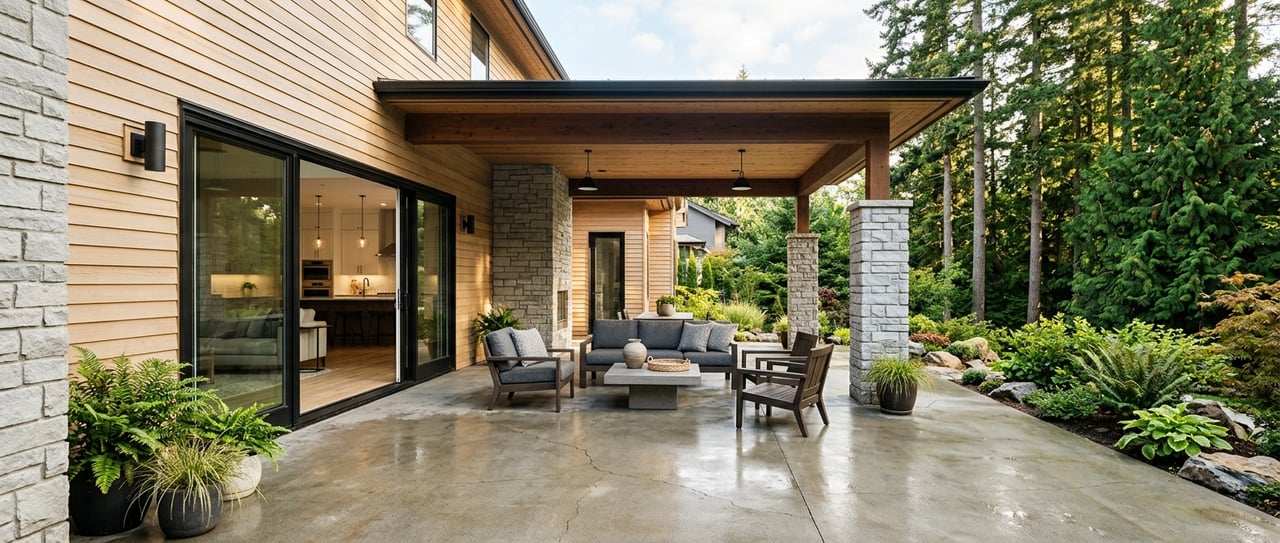
For Snohomish properties, especially those with land or detached structures, photos need to do more than show attractive rooms. They should explain the layout, scale, access, and usable features of the property.
The first days of a listing matter, and early visibility can shape the entire launch. That means your lead image and photo order should be chosen carefully.
For acreage or semi-rural homes, a strong sequence often starts with:
This sequence helps buyers understand how the site functions before they focus on finishes and furniture. It can be especially helpful when the value of the property extends beyond the main house.
Pretty photos attract clicks, but clear information keeps buyers engaged. For a Snohomish property, the listing description should answer practical questions early rather than burying them deep in the remarks.
That may include what the outbuildings are used for, whether utilities are present, how much land is usable, whether there is room for RV or equipment parking, and whether the site has known limitations. Buyers are often deciding whether a showing is worth their time, so clarity gives your home a better chance to stand out.
One of the smartest ways to prepare your Snohomish property is to think of it as having multiple selling surfaces. The house matters, but so do the land, access, outbuildings, and compliance record.
When each of those pieces is clean, documented, and clearly presented, buyers can move from curiosity to confidence much faster. That is often what separates a listing that gets strong early engagement from one that leaves buyers with too many unanswered questions.
If you are preparing to sell in Snohomish, a thoughtful plan can make all the difference. From design-forward presentation to the details that support buyer confidence, Sipos Homes LLC brings a white-glove, strategic approach to helping your property stand out.
Stay up to date on the latest real estate trends.
Etiam non quam lacus suspendisse faucibus interdum. Orci ac auctor augue mauris augue neque. Bibendum at varius vel pharetra. Viverra orci sagittis eu volutpat.
AMANDA SIPOS
800 5th Ave Suite 101-800 Seattle WA 98104