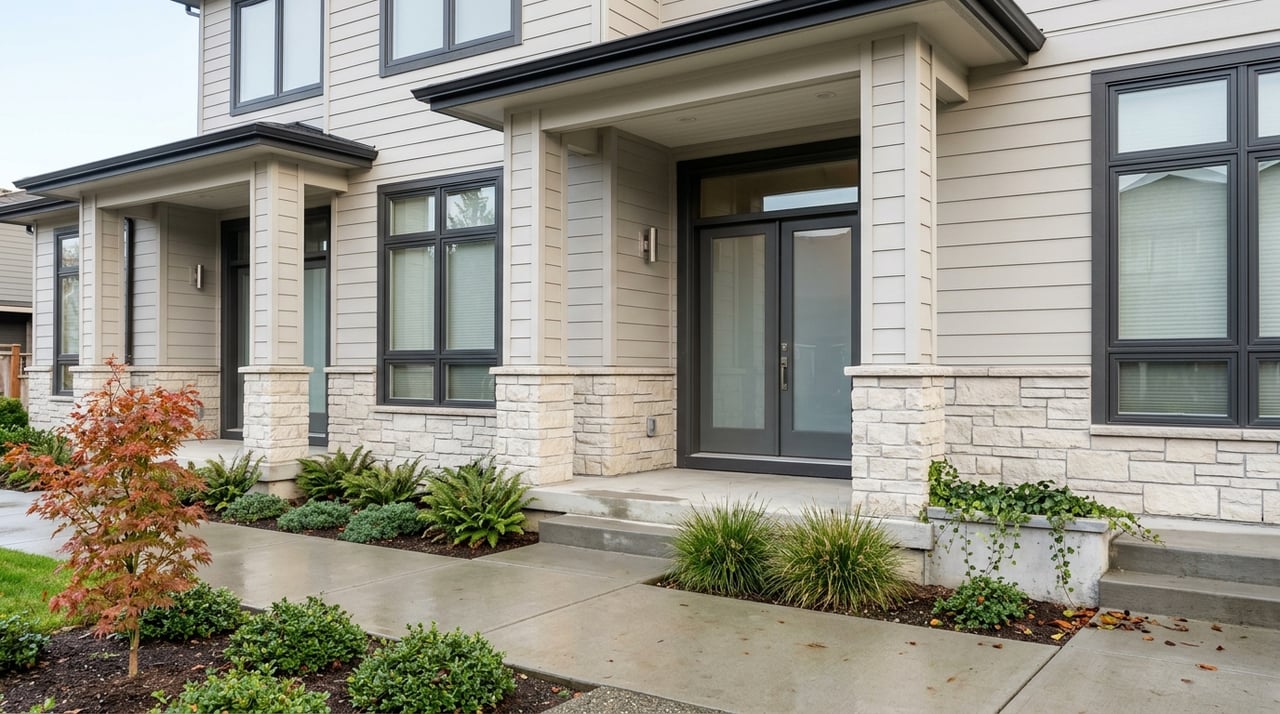
Redmond Condo vs Townhome: Which Is Right for You?
April 16, 2026
April 16, 2026
If you are deciding between a condo and a townhome in Redmond, you are not alone. In a high-price, competitive market, the right attached home can open the door to ownership without stretching all the way to a detached house. The key is knowing how these two options differ in price, ownership, monthly costs, and day-to-day living so you can choose with confidence. Let’s dive in.
Redmond remains an expensive and competitive market overall. According to Redfin’s Redmond housing market snapshot, the median sale price was $1,532,500 in February 2026, homes spent about 28 days on market, and sellers received an average of two offers.
Attached homes currently sit below that citywide median. As of April 12, 2026, Redmond condo listings showed 69 active listings with a median listing price of about $590,000 and roughly 39 days on market, while townhomes showed 34 active listings with a median listing price of about $799,000 and roughly 43 days on market.
That gap matters if you are trying to balance budget, monthly payment, and location. In simple terms, condos often offer a lower entry price, while townhomes often cost more and may feel a bit more like a traditional house.
A condo and a townhome can look different, but in Washington, the label alone does not tell you the full ownership story. The Washington State Office of Regulatory Innovation and Assistance explains that townhomes can be organized as HOAs or as condominiums, and both condos and HOAs are common interest communities governed by recorded documents like CC&Rs.
That means you should not assume a townhome automatically gives you simpler ownership or fewer shared obligations. A townhouse exterior may still be part of a condo-style structure, while some townhomes may be fee-simple with different maintenance responsibilities.
The practical takeaway is simple: always verify the legal structure, not just the property style. Your ownership rights, maintenance duties, insurance needs, and financing options can all depend on how the community is set up.
Redmond has historically had limited attached-home supply. A City of Redmond housing analysis found that in 2019, townhouse plats made up 1.6% of housing units and condos made up 14.5%.
At the same time, the city’s long-range housing planning expects more townhomes and stacked flats over time. Redmond’s housing element draft and 2025 zoning changes both point toward broader middle housing and more capacity in Downtown, Overlake, and other transit-oriented areas.
For you as a buyer, that means attached-home choices may continue to expand, especially in areas connected to jobs, services, and transit. It also means today’s condo-versus-townhome decision is worth thinking through carefully, since both product types are likely to remain important in Redmond’s housing mix.
The first decision point is usually budget. Current Redmond listing data shows a meaningful difference between condos and townhomes, with condos at a lower median list price than townhomes.
Still, list price is only part of the story. The Consumer Financial Protection Bureau recommends sharing property taxes and HOA dues with lenders when you request Loan Estimates, and it notes that condo loans can sometimes cost slightly more.
When you compare homes, look at the full monthly picture:
A lower-priced condo may still have higher monthly dues, while a pricier townhome may have lower dues but a larger loan amount. The better value is the home that fits your total monthly comfort zone, not just your search price filter.
Many buyers start with a simple assumption: condos mean less maintenance, and townhomes mean more privacy. Sometimes that is true, but not always.
Washington guidance makes clear that wall-sharing, yard ownership, parking, storage, and maintenance responsibilities are often project-specific. The state’s common interest community guidance notes that townhomes can be HOA- or condo-structured, which means the actual rules and responsibilities may vary significantly from one community to another.
In general, condos may trade some privacy for more shared amenities and simpler day-to-day exterior upkeep. Townhomes may offer a more house-like feel with attached walls, and current Redmond listings often highlight features like garages and low exterior upkeep, while condo listings may include shared amenities such as pools, clubhouses, EV charging, or storage, based on examples in current Redmond condo inventory.
The safest approach is to ask specific questions for each property:
If there is one step you should not rush, it is document review. In Washington common interest communities, associations collect assessments for shared costs, and most must hold annual reserve studies, annual meetings, and board elections, according to the state ORIA guidance.
That means the HOA documents can tell you as much about the property as the photos and floor plan. They help you understand what your dues cover, how financially prepared the association is, and whether any restrictions could affect your use of the home.
Here are the key items to compare:
This review is especially important for resale and financing. Fannie Mae’s condo project guidance notes that critical repairs, inadequate insurance, pending litigation, deferred maintenance, and certain project characteristics can create financing challenges and may lead to reserve-funded work or special assessments.
Insurance is another area where buyers can get surprised. The CFPB’s homeowners insurance guidance explains that condo insurance is often more complicated because there are usually two layers: the association’s master policy for common areas and your own policy for the unit.
That master policy does not replace your own coverage. You still need to understand what the association insures and what you are responsible for inside your home.
For townhomes, the answer may differ depending on whether the community is condo-structured or fee-simple. This is one more reason to verify the ownership setup early and review the association documents closely.
Your purchase should work for you now, but it should also make sense when it is time to sell. Historical Redmond pricing suggests townhomes have generally sat above condos in price. A City of Redmond housing report found townhouse prices increased more than condo prices from 2012 to early 2023, while condo prices stayed relatively steady around the mid-$400,000 to $500,000 range during that period.
Current listing data shows the same general pattern, with townhomes priced above condos in today’s market. That does not mean one is always a better investment than the other. It means your resale outlook may be shaped by a few core factors:
In Redmond, these details can matter as much as the label on the listing.
If you want a practical decision rule, start here.
A condo may be the better fit if you want a lower entry price, prefer simpler exterior upkeep, and are comfortable with shared amenities, shared spaces, and association rules. A townhome may be the better fit if you are comfortable with a higher price point and want a more house-like layout or feel.
Then pressure-test that first instinct against the real facts for each property. Since Washington ownership structures can blur the line between condos and townhomes, your best choice comes down to budget, privacy tolerance, maintenance preferences, and comfort with the association’s rules and financial condition.
In a market like Redmond, that kind of careful comparison can save you from expensive surprises and help you buy with more confidence.
If you are weighing condo and townhome options in Redmond, personalized guidance can make the search much clearer. Sipos Homes LLC offers boutique buyer representation backed by local Eastside expertise, responsive service, and strong negotiation support so you can compare properties, review the details that matter, and move forward with confidence.
Stay up to date on the latest real estate trends.
Etiam non quam lacus suspendisse faucibus interdum. Orci ac auctor augue mauris augue neque. Bibendum at varius vel pharetra. Viverra orci sagittis eu volutpat.
AMANDA SIPOS
800 5th Ave Suite 101-800 Seattle WA 98104