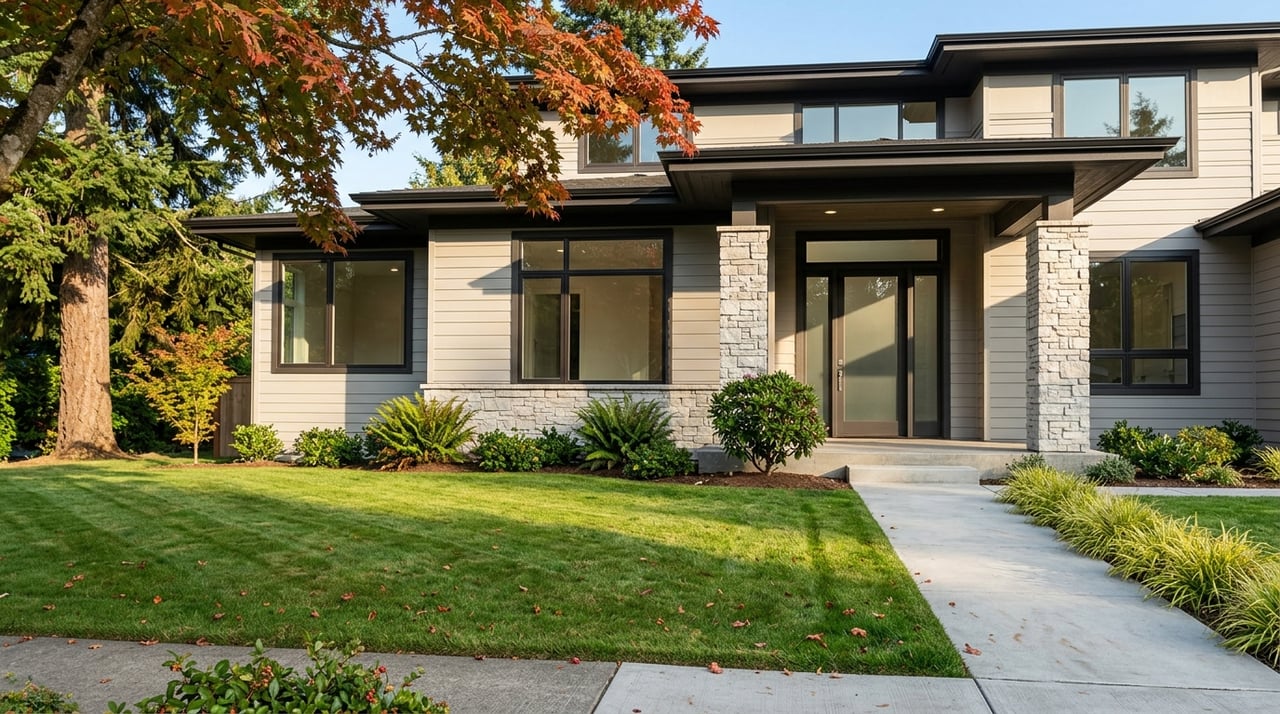
Why Historic Snohomish Homes Feel So Distinctive
May 21, 2026
May 21, 2026
Looking for a place where older homes still have real architectural personality and downtown feels like an actual downtown? Snohomish stands out for exactly that reason. If you are drawn to front porches, tree-lined streets, and a walkable historic core with river access and local businesses, this guide will help you understand what makes historic Snohomish living so appealing and what to keep in mind as you buy or sell here. Let’s dive in.
Snohomish’s Historic District was established by city ordinance in 1973 and was added to the National Register in 1974. According to the city, it was the first historic district in Snohomish County, which helped shape Snohomish’s long-running identity as the “Antique Capital of the Northwest.”
That history shows up in the physical setting as much as in the buildings themselves. The district sits on a gentle south-facing slope near the Snohomish and Pilchuck Rivers, with mature street trees, sidewalks, and alleys that give the area a preserved small-town feel. Instead of reading like a generic commercial strip, downtown feels layered, walkable, and visually connected.
The area also benefits from ongoing preservation-minded community support. The Historic Downtown Snohomish Association focuses on revitalization, preservation, outreach, and community building for the district. For buyers and sellers, that helps explain why downtown continues to feel active and cared for rather than frozen in time.
In Snohomish’s historic district, homes date from the 1860s to the present, with the strongest concentration built before 1920. The city identifies a wide range of architectural styles, including Craftsman Bungalow, Queen Anne Victorian, Shingle, Beaux Arts, Gothic Revival, Italianate, Cottage, Colonial Revival, and Stick/Eastlake.
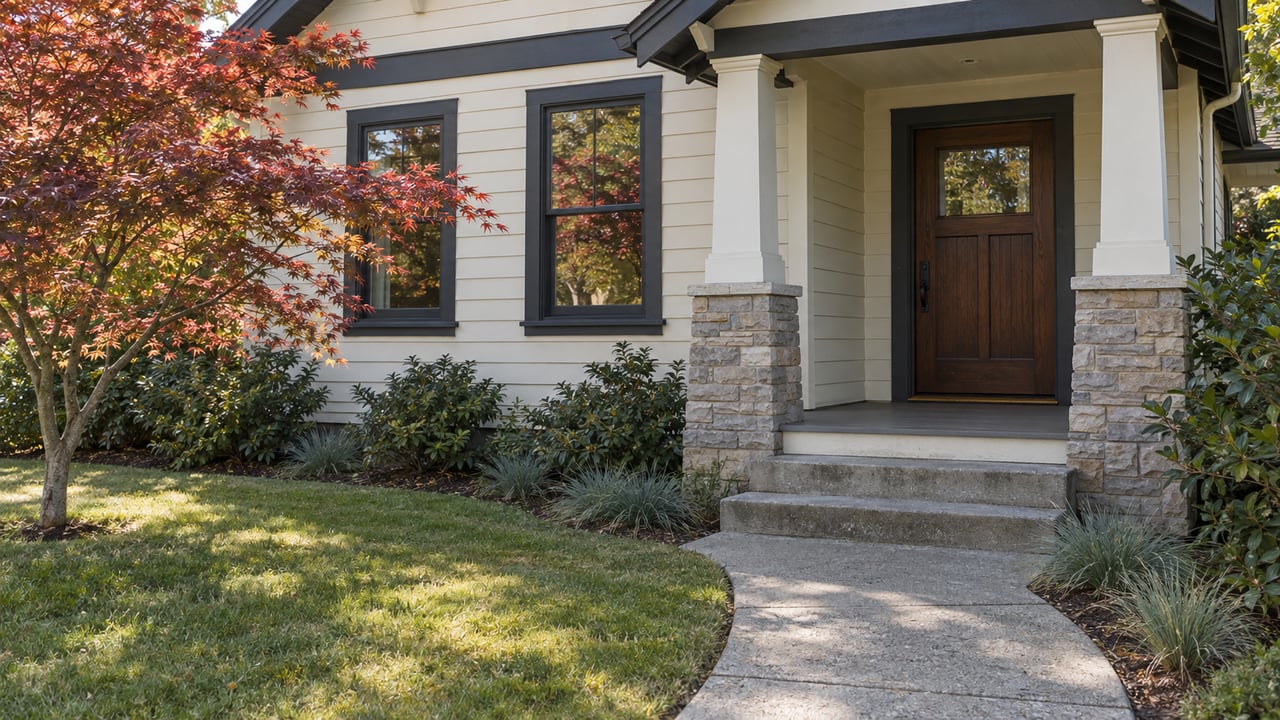
What makes these homes memorable is not just their age. Many share features that create a recognizable street presence, such as steep roof pitches, generous eaves, front porches, and vertically oriented windows grouped in twos or threes. Wide trim, ornamental details, and varied facades add texture that is hard to replicate in newer construction.
Lot patterns also shape the experience of living here. The city notes that rear garages or sheds accessed by alley, generous setbacks, mature landscaping, and picket fences are common elements in the district. Taken together, those details create a neighborhood rhythm that feels both individual and cohesive.
One of the biggest draws of historic Snohomish is how the homes relate to the street. Porches, sidewalks, and mature trees create a more connected visual experience from one property to the next. Even when houses differ in style, they tend to fit together well at the block level.
That matters if you are shopping for a home with personality. In many neighborhoods, charm is a marketing word. In historic Snohomish, charm is often tied to real physical details you can see, from original roof forms and window proportions to alley access and established yard setbacks.
For sellers, these details can also shape how a home is presented. When a property has historic character, buyers often respond to thoughtful presentation that highlights craftsmanship, scale, and livability without over-modernizing what makes the home special.
Historic Snohomish is not just about architecture. It is also about having a downtown that supports day-to-day routines as well as weekend wandering. The city describes antiques as a cornerstone of downtown, but the business mix also includes boutiques, coffee shops, bars, restaurants, and professional services.
That range matters because it gives the district practical energy. Local spots listed through downtown business resources include bakeries, coffee shops, pizza, bistros, antique shops, bookstores, galleries, home décor stores, and boutique retail. For residents, that means downtown can feel useful, not just scenic.
Parking also supports the area’s walkable feel. The Historic Downtown Snohomish Association notes that most downtown street parking is free and does not have time limits. In a historic core, that makes it easier to park once and spend time exploring shops, restaurants, and the riverfront on foot.
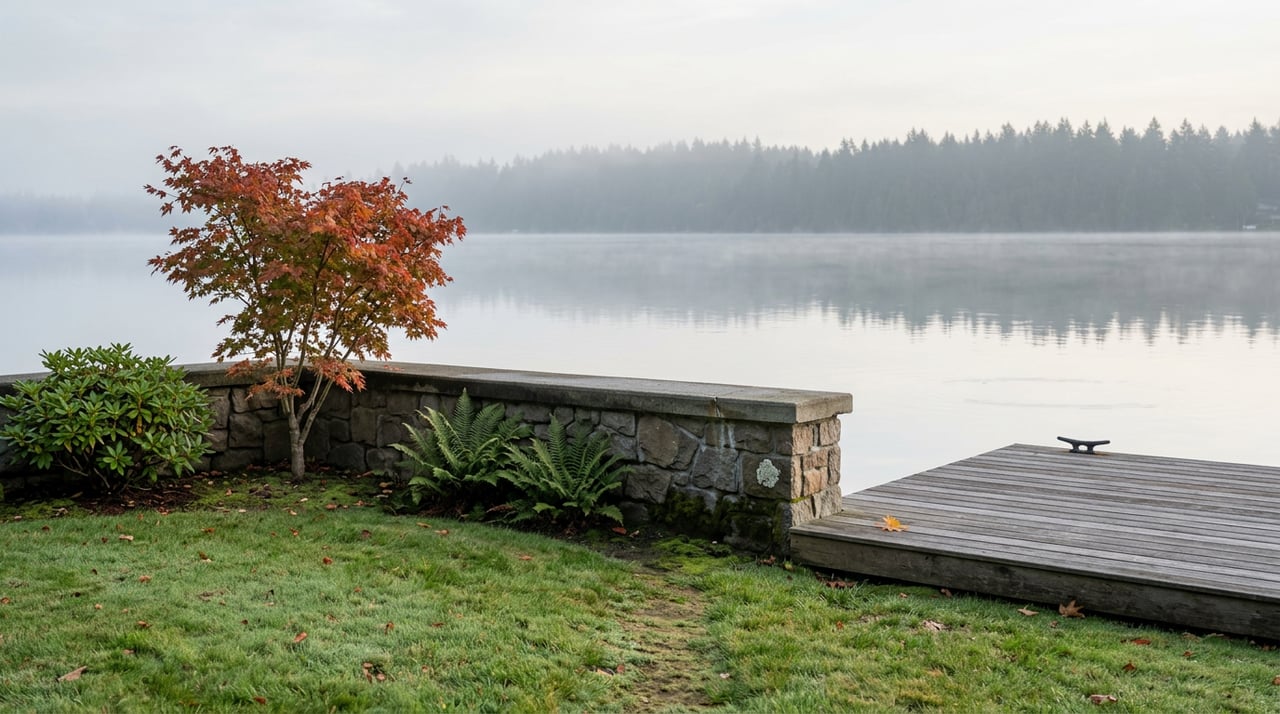
Snohomish’s setting near the river is part of what makes it distinct. Kla Ha Ya Park sits between First Street and the Snohomish River along the River Trail, giving downtown a direct connection to open space and water views.
The Riverfront Trail is a 0.3-mile paved path along the north bank of the Snohomish River that links with First Street and Cady Park. The city also notes that the 30-mile Centennial Trail starts in Snohomish. Combined with roughly 170 acres of parks and open space within city limits, these amenities add a strong outdoor component to daily life.
For many buyers, this blend is the draw. You get historic streetscapes, local businesses, and easy access to trails and parks in the same area. That combination can be hard to find in a market where many neighborhoods offer either charm or convenience, but not both.
A historic district can look attractive on paper and still feel quiet in practice. Snohomish stands out because downtown also functions as a community hub. The city highlights recurring events such as Kla Ha Ya Days, the Snohomish Farmers Market, the Snohomish Block Party, and the Snohomish Art Walk.
These events help reinforce the idea that historic Snohomish is lived in and used, not simply preserved. For buyers, that can signal an area with a steady civic rhythm. For sellers, it helps explain why the neighborhood often has broad lifestyle appeal.
If you are considering a home in the Historic District, it is important to understand that exterior projects may involve a more structured review process. The city states that projects in the Historic District are reviewed by the Design Review Board, while projects outside the district are generally reviewed administratively.
The city also notes that design review is coordinated with the building permit process. In practical terms, that means exterior changes in the district may require more planning than they would in a typical suburban neighborhood. If you are buying with renovation goals in mind, it is smart to evaluate those plans early.
This does not mean improvements are off the table. It simply means historic context matters. Buyers tend to do best when they understand up front how preservation standards may affect windows, roof forms, trim, siding, or other visible exterior elements.
For homes or buildings near the river, shoreline and flood-related considerations can be important. The city identifies a Historic Riverfront Environment for the part of the Historic Business District within 200 feet of the Snohomish River, and the Shoreline Master Program is intended to support water-oriented uses while preserving public access and protecting shoreline resources.
The city’s 2025 Critical Areas Update also notes that frequently flooded areas are lands in the floodplain with at least a one percent annual chance of flooding, with flood hazard areas regulated under Chapter 14.270 SMC. If you are looking at a river-adjacent property, parcel-specific due diligence matters before you finalize renovation or development plans.
For sellers, this is another reason clear preparation helps. When a property has location-specific considerations, organized information and a thoughtful marketing strategy can help buyers understand both the setting and the practical realities.
Buying an older home often requires a slightly different mindset than buying newer construction. The goal is not just to assess square footage and finishes, but to understand the home’s condition, architectural features, and any rules that may affect future changes.
A few smart questions to ask include:
When you approach the process with both appreciation and diligence, you can make a more confident decision. Character is a real asset, but it works best when paired with clear planning.
If you are preparing to sell, presentation matters even more with a character property. Buyers are often drawn to the story a home tells, so details like porch styling, landscaping, natural light, and architectural features should be part of the strategy.
Historic homes usually benefit from marketing that highlights what makes them visually distinct. That may include original trim, rooflines, window groupings, alley-served lots, mature trees, and proximity to downtown and the riverfront. A design-aware approach can help buyers connect with both the home and the lifestyle.
It also helps to set expectations clearly. If a property is within the Historic District or near the river, buyers will appreciate straightforward guidance about any review or parcel-specific considerations that may apply. Clear communication builds trust and reduces friction during the sale process.
Historic Snohomish offers something increasingly rare in the greater Puget Sound market. It pairs architectural variety and a preserved downtown core with practical amenities, trail access, community events, and a real sense of place.
For buyers, that can mean finding a home that feels personal and rooted in its surroundings. For sellers, it creates a story that goes beyond square footage and bedroom count. When a neighborhood has visual identity and everyday usability, it tends to leave a stronger impression.
If you are thinking about buying or selling in Snohomish, working with an advisor who understands both presentation and local context can make a meaningful difference. To plan your next move with tailored guidance, schedule a consultation with Sipos Homes LLC.
Stay up to date on the latest real estate trends.
Etiam non quam lacus suspendisse faucibus interdum. Orci ac auctor augue mauris augue neque. Bibendum at varius vel pharetra. Viverra orci sagittis eu volutpat.
AMANDA SIPOS
800 5th Ave Suite 101-800 Seattle WA 98104