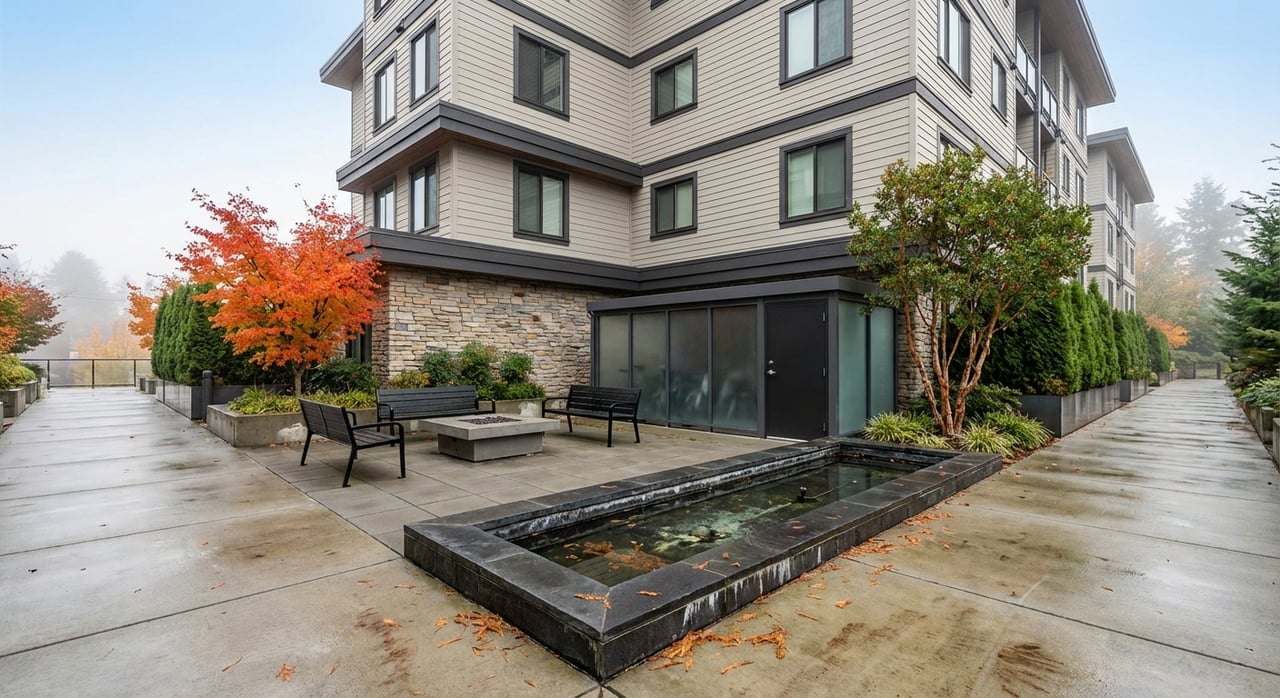
Kirkland Condo Living Guide: From Waterfront to Urban Villages
February 19, 2026
February 19, 2026
Are you deciding between a lakefront lifestyle and a transit-ready urban hub? In Kirkland, you can have either, sometimes just minutes apart. If you want low-maintenance living with access to parks, dining, and reliable amenities, condos across Downtown, Totem Lake, and Juanita each offer a distinct fit. In this guide, you’ll compare neighborhoods, typical condo features and HOA costs, transit access, and a clear buyer checklist. Let’s dive in.
Downtown Kirkland centers on Marina Park, a compact waterfront with a promenade, visitor moorage, community pavilion, and seasonal events like markets and concerts. You can stroll from many condos to restaurants, the library, and cultural venues. The City also publishes updates on park improvements, so you can track planned changes at Marina Park.
Typical condos here are mid-rise to low-rise buildings, often from the 2000s and earlier, with secure underground parking. Some newer properties add concierge, clubrooms, and shared courtyards. Recent examples in this area show 1 to 2 bedroom units commonly listing in the high $600,000s to $900,000+ range, with many buildings posting HOA dues in the mid $500s per month depending on amenities and what is included.
Who it fits: You may prefer Downtown if you want a highly walkable waterfront lifestyle with frequent dining and cultural options. Many downsizers like single-level living near services. Professionals who work nearby often value the short neighborhood commute and an easy evening routine on the lakefront.
Totem Lake has been intentionally redeveloped as a compact, mixed-use urban center with grocery anchors, dining, entertainment, and newer residential choices. The City and developers have invested significantly in the district, which earned a state recognition highlighted by the City’s news on the Village at Totem Lake.
Walkability and bike access continue to improve. The 2023 opening of the Totem Lake Connector bridge closes a gap in the Cross Kirkland Corridor, linking residents to parks, shopping, and transit on a car-free route. Regional plans for Stride bus rapid transit along I-405 include Totem Lake among corridor stations, expanding commute options as projects come online. See the corridor station map on the Stride BRT project overview.
Condo product here skews newer mid-rise with modern amenities like rooftop terraces, clubrooms, fitness centers, secure parcel rooms, and EV-capable parking. Pricing for new and recent resales has ranged from sub $500,000 to $800,000+ with HOA dues often around $500 to $800 per month, depending on unit size and amenity scope. This pocket often resonates with first-time buyers who want turnkey spaces near retail and commuters who want improved bus and BRT connectivity.
Juanita orients around the waterfront at Juanita Beach Park and a smaller commercial cluster at Juanita Village. It offers a quieter setting while staying a short drive to Downtown Kirkland and I-405. Park access is a defining feature, with open space, boardwalk views, and seasonal recreation.
Condo options include older and renovated waterfront complexes from the 1970s and 1980s along with low to mid-rise properties. Many waterfront buildings emphasize views and may include amenity sets like pools, gym rooms, and day-moorage or nearby marina access. Recent examples show waterfront units in the high $600,000s to $1 million+ range, and HOAs can run higher where buildings include moorage, pools, and comprehensive master insurance.
Who it fits: Buyers who want lakeside parks and a less busy feel often target Juanita. Downsizers who prioritize views and beach access find strong options. Households that spend time at the park appreciate the easy routine from home to shoreline.
Across Kirkland’s core condo pockets, you will see three common building types, each with different tradeoffs:
Construction differences also influence your insurance and the HOA’s budget. Concrete and steel buildings handle fire and sound differently from wood-frame podiums and can carry different master policy structures and deductibles. Those variations affect master-insurance premiums, reserve needs, and the HO-6 policy choices you make as an owner. For unit coverage basics, consumer guides outline how HO-6 policies work and why loss-assessment coverage matters; see this explainer on condo insurance considerations.
What drives monthly HOA dues? Big-ticket items include underground parking maintenance, elevator service, concierge or on-site management, pool and spa upkeep, fitness rooms, building envelope and roof reserves, marina facilities in waterfront communities, and master insurance premiums. Some HOAs also purchase earthquake coverage at the association level, which can raise dues and change what you need on your personal policy.
Washington sets baseline condo rules in the Condominium Act (RCW 64.34) and, for newer or amended communities, the WUCIOA framework (RCW 64.90). Associations with significant assets must prepare and update reserve studies that list building components, remaining useful life, projected 30-year funding, percent funded, and recommended contribution rates. A readable summary of reserve-study contents is outlined here under the statute’s highlights on reserve study requirements.
The reserve study is your early-warning system. A low percent-funded reserve paired with an aging roof or envelope can signal a higher chance of special assessments. Review the most recent study and the current-year budget to confirm the board’s adopted funding plan. If you see a large planned project without a clear funding source, ask follow-up questions before you commit.
Kirkland designates Greater Downtown and Totem Lake as Urban Centers, which guides compact growth and transit planning. If you want a lifestyle where you can walk to dinner, coffee, and a park, Downtown Moss Bay and the Totem Lake core typically check more boxes than dispersed residential blocks. Learn how the City frames these hubs in its overview of Kirkland’s Urban Centers.
Transit is improving, especially around Totem Lake. The Totem Lake Connector creates a safer, faster link for people biking or walking through the district. On the regional level, Stride BRT will add stations at Totem Lake and along I-405, broadening time-competitive bus options for Eastside commuters. See the corridor plan and station list on the Stride BRT project overview.
Use these quick profiles as a starting point:
Plan for the full picture, not just the purchase price. Your monthly and annual costs can include property taxes, HOA dues, your HO-6 insurance, utilities, and a prudent cushion for possible assessments. Illustrative examples from recent listings show:
Newer Totem Lake mid-rise condos have listed in the $500,000 to $700,000 band for many 2 bedroom units, with HOAs around $500 to $800 per month. Downtown waterfront 2 bedroom units often list $700,000 to $1 million+, with higher HOAs where services are extensive. For city-wide context across all home types, Kirkland’s median sale price was reported at $1,130,000 in January 2026. Always confirm current data before you set your budget.
Save this list for your search and offer phase:
Choosing between Downtown’s waterfront energy, Totem Lake’s convenience, and Juanita’s park-forward pace comes down to lifestyle, commute, and budget. A local, negotiation-forward advisor can help you read HOA documents, weigh construction types, and position your offer to win while protecting your interests. Ready to tour and compare your best fits? Schedule a consultation with Sipos Homes LLC to start your Eastside condo search with clarity and confidence.
Stay up to date on the latest real estate trends.
Etiam non quam lacus suspendisse faucibus interdum. Orci ac auctor augue mauris augue neque. Bibendum at varius vel pharetra. Viverra orci sagittis eu volutpat.
AMANDA SIPOS
800 5th Ave Suite 101-800 Seattle WA 98104