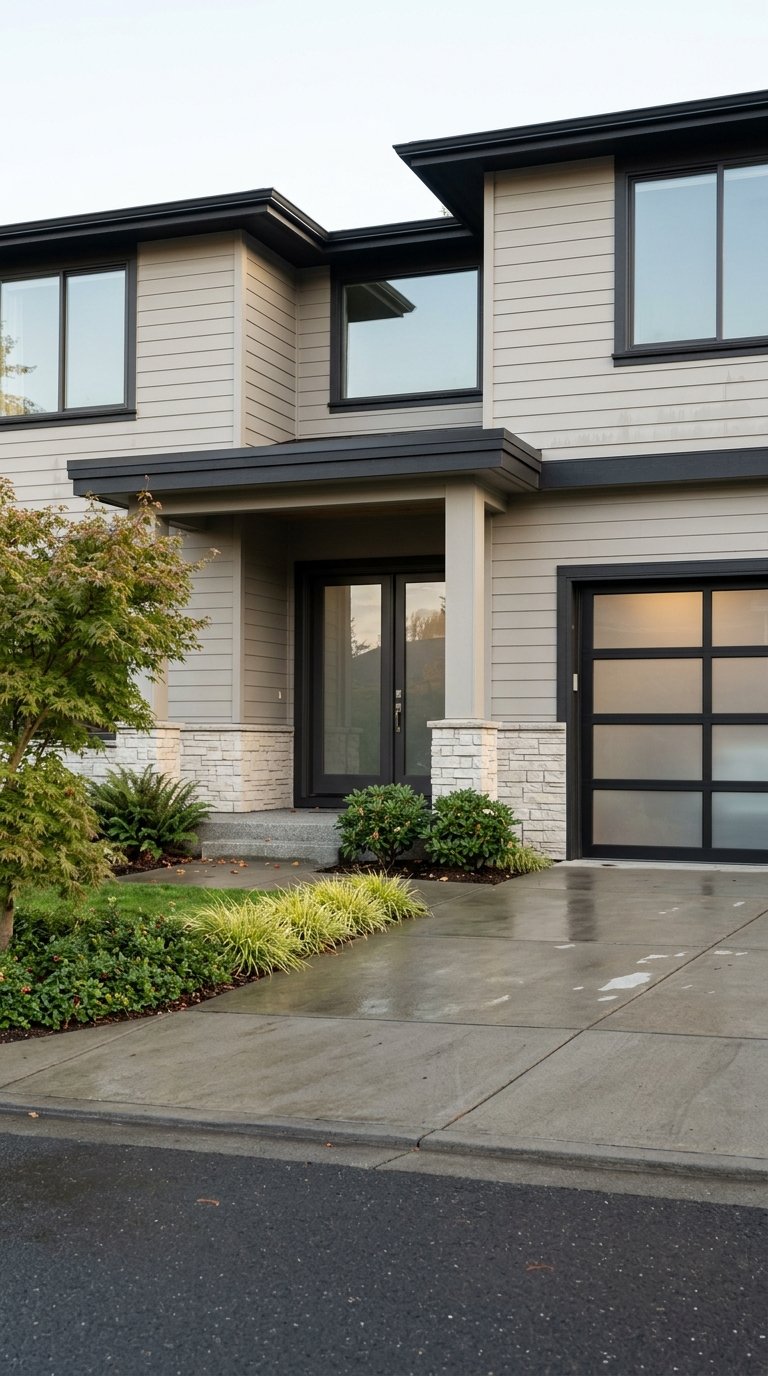
Redmond Home Pricing Strategy for Confident Sellers
April 23, 2026
April 23, 2026
Wondering how to price your Redmond home without leaving money on the table or chasing the market with later price cuts? You are not alone. In a market that still favors sellers but gives buyers more options than the peak frenzy years, the right pricing strategy can shape everything from first-week traffic to the strength of your final offers. Let’s dive in.
Redmond remains a competitive market, but it is not a market where any price works. According to Redfin’s Redmond housing market data, the median sale price was $1.4 million in March 2026, with homes selling in a median of 13 days and a 99.6% sale-to-list ratio. The same report notes that 23.5% of homes sold above list price and homes received 2 offers on average.
At the same time, Realtor.com’s Redmond market overview shows a $1,361,450 median listing price, 259 active listings, 23 median days on market, and a 99% sale-to-list ratio, while still classifying Redmond as a seller’s market. That tells you something important: buyers are active, but they are also comparing options more carefully.
Mortgage rates are part of that story. Freddie Mac’s weekly survey reported a 6.30% average rate for a 30-year fixed mortgage on April 16, 2026. When borrowing costs stay elevated, monthly payment matters more, so your list price needs to reflect what buyers can realistically absorb.
A citywide median is a helpful headline, but it is not a pricing strategy. The City of Redmond identifies 10 neighborhoods, and those areas do not all behave the same way.
For example, the city describes Downtown Redmond as a mixed-use urban center with shopping, dining, employment, residences, hotels, and parks. It describes Overlake as a technology center with corporate campuses, denser housing, shopping, and transit-oriented development, as noted in the Downtown neighborhood summary and city neighborhood materials. That is a very different market dynamic from a more traditionally residential area.
Neighborhood pricing also varies widely. Realtor.com’s neighborhood-level data for Redmond lists Overlake at $2.297 million, North Redmond at $1.985 million, Education Hill at $1.362 million, Willows-Rose Hill at $1.2234 million, Southeast Redmond at $937,499, Idylwood at $925,000, Grass Lawn at $850,000, and Bear Creek at $730,500. Redfin also reports Education Hill at $1.36 million with 12 median days on market, while Zillow shows limited Overlake inventory as of late March 2026.
The takeaway is simple: your home should be priced against the most similar nearby homes in the same submarket, not against Redmond as a whole. A condo near an urban center and a detached home in a predominantly residential area may attract very different buyers, timelines, and price expectations.
A strong pricing strategy begins with a comparative market analysis, or CMA. The National Association of Realtors consumer guide recommends evaluating recent sold, under-contract, and active listings while adjusting for size, location, amenities, condition, current market conditions, and buyer preferences.
This matters because buyers do not compare your home in a vacuum. They compare it to what just sold, what they can buy right now, and what may hit the market next. If your home is priced above stronger or more updated alternatives nearby, buyers may simply move on.
At Sipos Homes, this is where neighborhood-level knowledge and presentation strategy work together. A well-built pricing recommendation should account for your home’s condition, design appeal, and competitive position, not just its square footage.
One of the most common mistakes sellers make is pricing based only on past sales. Sold comps matter, but active competition matters just as much. NAR advises sellers to compare their home’s size, upkeep, and amenities to nearby options and to consider whether they are competing with new homes or condos in the area.
In parts of Redmond, especially in more urban or transit-oriented locations, buyers may be comparing your listing to newer construction or newer condo inventory. In more residential neighborhoods, they may focus more heavily on lot size, layout, updates, and overall condition. Pricing should reflect the buyer’s real shopping experience.
That is one reason design-first preparation can support stronger pricing. If your home shows well relative to competing inventory, you may be in a better position to justify your number and create urgency early.
Not every seller has the same objective. Some sellers want the fastest possible sale with strong terms. Others are willing to test the market a bit more if it may improve their net proceeds.
According to NAR’s pricing guidance, sellers who need to move quickly often price more competitively, while sellers with more flexibility may choose a higher asking price. In Redmond, where homes are generally moving in about 2 to 3 weeks based on Redfin and Realtor.com pace data, the first week matters. If you miss that early window with an overly ambitious price, you may lose momentum and end up making price cuts later.
A smart strategy starts with clarity:
It is tempting to “leave room to negotiate,” but overpricing often backfires. NAR notes that homes priced more than 3% above the correct price tend to take longer to sell. The same seller guidance says that if a home has been on the market for an extended period without offers, sellers should be prepared to consider a lower asking price.
In practical terms, stretch pricing can create two problems. First, you may miss the buyers who would have shown strong interest at the right number. Second, once your home sits, buyers may wonder whether something is wrong, even when the real issue is simply price.
In a market like Redmond, where many buyers are still active but more payment-sensitive, precision matters more than optimism.
Once your home is live, the market gives you feedback quickly. NAR recommends having your home market-ready at least two weeks before showings, including repairs, deep cleaning, and flexible access for buyers. That preparation helps ensure the feedback you receive reflects pricing and positioning, not preventable presentation issues.
The first two weeks can tell you a lot:
If your home has been on the market for more than 30 days without an offer, NAR says you should at least consider lowering the asking price. In a market where well-priced homes can move quickly, waiting too long to adjust can cost you leverage.
In Redmond, multiple offers are still part of the landscape. Redfin reports that many homes receive multiple offers, some with waived contingencies, and that hot homes can go pending in around 4 days. But the best offer is not always the one with the highest number.
NAR’s multiple-offer guidance for sellers recommends weighing several factors:
This is where strategic pricing can do more than attract attention. It can improve your negotiating position by drawing in serious buyers and creating stronger overall terms. A well-priced listing can give you more than offers. It can give you choices.
For most Redmond sellers, a strong pricing plan follows a clear sequence:
That process is especially important in Redmond because pricing can shift significantly between urban-center inventory and more traditional residential neighborhoods. What works in Overlake may not be the right play in Education Hill, North Redmond, or Bear Creek.
The best pricing strategy is not about picking the highest number that sounds reasonable. It is about choosing the number that positions your home to compete, attracts qualified buyers early, and gives you the strongest path to your actual goal.
In a market like Redmond, that usually means balancing neighborhood-specific comps, current competition, buyer payment realities, and the level of preparation behind your listing. When pricing and presentation work together, you put yourself in a much better position to generate interest and negotiate from strength.
If you are thinking about selling in Redmond and want a pricing strategy built around local data, thoughtful presentation, and strong negotiation, connect with Sipos Homes LLC to schedule a consultation.
Stay up to date on the latest real estate trends.
Etiam non quam lacus suspendisse faucibus interdum. Orci ac auctor augue mauris augue neque. Bibendum at varius vel pharetra. Viverra orci sagittis eu volutpat.
AMANDA SIPOS
800 5th Ave Suite 101-800 Seattle WA 98104